Common Snake Species in South Bend
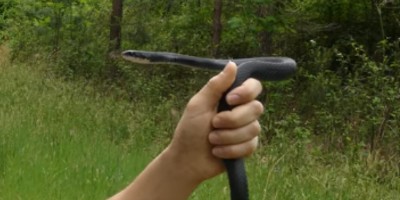 Southern Black Racer:
Appearance: The black racer is 20 to 56 inches long though some can extend to 72 inches at maturity. It has a medium-sized body with the color varying from tan to grey. However, the chin is white.
Habitat: This snake loves wooded areas like big gardens, fields, thickets, and forests where animals like frogs and lizards are abundant.
Behavior: Just like other snake species in Indiana, the southern black racer hibernates during cold winters and relies on the sun's heat to get their cold blood warm. This helps to keep their body metabolic processes active. When it comes to defense against its enemies and predators, the black racer produces a foul-odor to keep its enemies at bay. Additionally, it moves swiftly to evade any suspected danger.
Southern Black Racer:
Appearance: The black racer is 20 to 56 inches long though some can extend to 72 inches at maturity. It has a medium-sized body with the color varying from tan to grey. However, the chin is white.
Habitat: This snake loves wooded areas like big gardens, fields, thickets, and forests where animals like frogs and lizards are abundant.
Behavior: Just like other snake species in Indiana, the southern black racer hibernates during cold winters and relies on the sun's heat to get their cold blood warm. This helps to keep their body metabolic processes active. When it comes to defense against its enemies and predators, the black racer produces a foul-odor to keep its enemies at bay. Additionally, it moves swiftly to evade any suspected danger.
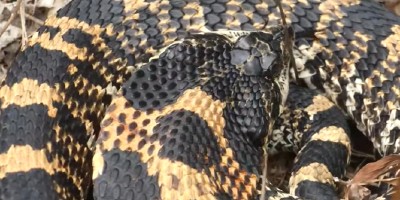 Eastern Hognose Snake:
Appearance: The eastern hognose snake has an upturned nose that forms a hog-like look giving it its unique name, "hognose." It's a medium-sized reptile with a stout body that extends from 22 to 32 inches in length. Body color is either black, yellow, orange, or light brown with a pattern of dark blotches on the upper side.
Habitat: This snake species lives in forest edges, fields, or areas with loose soil that's open and dry. They are special hunters feeding on toads, frogs, and other available amphibians within their habitat and the surrounding ecosystem.
Behavior: Hognose snakes are perfect burrowers, especially in loose soils due to their strong snouts. When disturbed, its body bulges while the head flattens, expelling the gas in the inflated body in a hiss. If the predator remains unmoved, it plays dead to fool the predator.
Eastern Hognose Snake:
Appearance: The eastern hognose snake has an upturned nose that forms a hog-like look giving it its unique name, "hognose." It's a medium-sized reptile with a stout body that extends from 22 to 32 inches in length. Body color is either black, yellow, orange, or light brown with a pattern of dark blotches on the upper side.
Habitat: This snake species lives in forest edges, fields, or areas with loose soil that's open and dry. They are special hunters feeding on toads, frogs, and other available amphibians within their habitat and the surrounding ecosystem.
Behavior: Hognose snakes are perfect burrowers, especially in loose soils due to their strong snouts. When disturbed, its body bulges while the head flattens, expelling the gas in the inflated body in a hiss. If the predator remains unmoved, it plays dead to fool the predator.
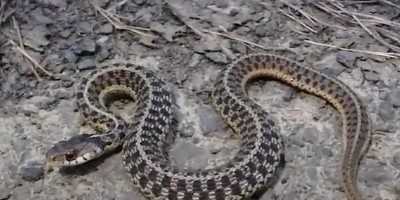 Eastern Garter Snake:
Appearance: A full-grown eastern garter is 18-26 inches long. Its body is rigid-scaled, dark brown or black with a white or yellow stripe. However, some snakes are entirely black without the streaks. Additionally, this type of snake has a cream or yellowish belly that distinguishes them from their close relatives.
Habitat: This type of snake occupies wet areas like drainage ditches, ponds, and rivers. Also, you may spot them in forests, suburban deserts, and lonely places such as cemeteries. Their food mostly comprises of lizards and amphibians.
Behavior: Cold seasons do not favor eastern garter snakes. As such, they go dormant in such months until the time the surrounding temperatures are favorable. Typically, they hide beneath big rocks, inside caves, animal burrows, or other dens underground and re-appear in summer to mate.
Eastern Garter Snake:
Appearance: A full-grown eastern garter is 18-26 inches long. Its body is rigid-scaled, dark brown or black with a white or yellow stripe. However, some snakes are entirely black without the streaks. Additionally, this type of snake has a cream or yellowish belly that distinguishes them from their close relatives.
Habitat: This type of snake occupies wet areas like drainage ditches, ponds, and rivers. Also, you may spot them in forests, suburban deserts, and lonely places such as cemeteries. Their food mostly comprises of lizards and amphibians.
Behavior: Cold seasons do not favor eastern garter snakes. As such, they go dormant in such months until the time the surrounding temperatures are favorable. Typically, they hide beneath big rocks, inside caves, animal burrows, or other dens underground and re-appear in summer to mate.
Venomous Snake Species in South Bend
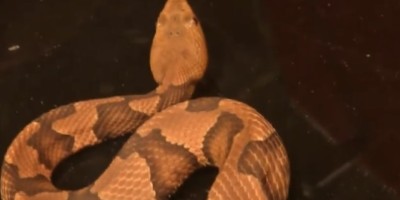 Northern Copperhead:
Appearance: As the name suggests, the northern copperhead has a copper-colored head, copper-like body, with hourglass-shaped brown stripes. Its body is heavily built and measures 24 to 36 inches long.
Habitat: This photophobic organism is found in deserted buildings, rocky areas, and woodland edges. Also, they may be spotted in wetlands. It would help if you were careful when strolling since this reptile is active during the night. They feed on small birds and frogs.
Behavior: Northern copperheads, like other reptiles, are ectothermic. As such, they look for any open site that provides basking conditions to keep their body active. They hibernate in winter and get active for the mating season in spring.
Northern Copperhead:
Appearance: As the name suggests, the northern copperhead has a copper-colored head, copper-like body, with hourglass-shaped brown stripes. Its body is heavily built and measures 24 to 36 inches long.
Habitat: This photophobic organism is found in deserted buildings, rocky areas, and woodland edges. Also, they may be spotted in wetlands. It would help if you were careful when strolling since this reptile is active during the night. They feed on small birds and frogs.
Behavior: Northern copperheads, like other reptiles, are ectothermic. As such, they look for any open site that provides basking conditions to keep their body active. They hibernate in winter and get active for the mating season in spring.
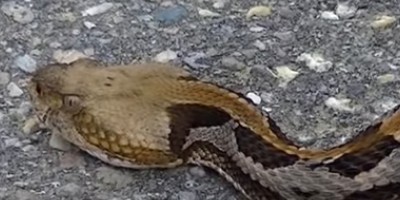 Timber Rattlesnake:
Appearance: A mature timber rattlesnake is 2-3 feet long with broken rattles. It has a tan or light-brown stout body that darkens towards the posterior. It's a keel-scaled, flimsy, large, and well-built snake that can never be confused for another.
Habitat: This rattlesnake occupies areas according to their ages. For instance, the young snakes love completely shaded areas while the adults prefer areas like shrubs, woody debris, and logs. Their diet consists of small mammals like mice.
Behavior: When disturbed, the timber rattlesnake curls its body while lifting the head to defend itself against its enemy. In the course of defense, it rattles or hisses to scare the enemy. When you come across this snake, always be sure to take precautions to avoid being bitten. Timbers hibernate during winter and resurface during summer to mate.
Timber Rattlesnake:
Appearance: A mature timber rattlesnake is 2-3 feet long with broken rattles. It has a tan or light-brown stout body that darkens towards the posterior. It's a keel-scaled, flimsy, large, and well-built snake that can never be confused for another.
Habitat: This rattlesnake occupies areas according to their ages. For instance, the young snakes love completely shaded areas while the adults prefer areas like shrubs, woody debris, and logs. Their diet consists of small mammals like mice.
Behavior: When disturbed, the timber rattlesnake curls its body while lifting the head to defend itself against its enemy. In the course of defense, it rattles or hisses to scare the enemy. When you come across this snake, always be sure to take precautions to avoid being bitten. Timbers hibernate during winter and resurface during summer to mate.